
Published on 12 November 2026
European standard for lithium-ion battery safes: the latest developments
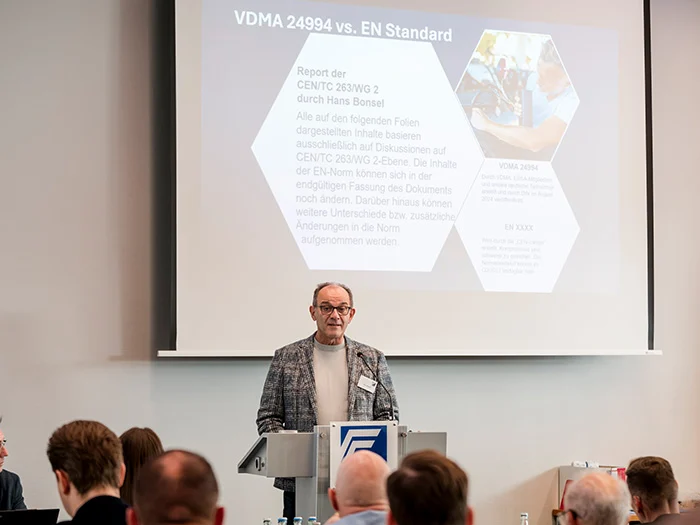
How do you know if a battery safe offers sufficient protection in the event of a battery fire? To provide more clarity, a European standard is being developed for the safe storage and charging of lithium-ion batteries. At Batteryguard, we are actively contributing to the development of this standard. The draft standard is expected to be ready by the end of this year.
Batteryguard contributes to the European standard
At Batteryguard, we focus on the safe storage and charging of lithium-ion batteries every day. We also use this knowledge and practical experience to contribute to the development of the European standard for lithium-ion battery safes.
Hans Bonsel, Managing Director of Nauta Security Storage, the company behind Batteryguard, chairs the European working group CEN/TC 263/WG 2. On 6 November, he chaired the working group meeting in Frankfurt, where experts from across the EU continued their work on the new safety requirements and test methods.
A key focus in the development of the standard is managing the risks associated with thermal runaway. This occurs when a battery continues to heat up uncontrollably, which can cause it to catch fire. How can you prevent a battery fire from spreading to its surroundings? And how do you test whether a battery safe offers sufficient protection?
The video below, which was also shown during the working group meeting in Frankfurt, demonstrates why this is so important.
VDMA 24994: proven protection against battery fires
Although the European standard is still under development, specific test requirements for lithium-ion battery safes already exist: VDMA 24994. These test requirements also form the basis for the new European standard.
During a test according to VDMA 24994, a battery fire is simulated inside the safe. Among other things, the test assesses whether the safe contains flames and sparks and limits the temperature on the outside.
A battery safe certified by ECB-S according to VDMA 24994 therefore offers proven protection against the consequences of a battery fire.
What does the new European standard mean for your organisation?
The European standard will provide greater clarity about the level of protection battery safes offer in the event of a battery fire.
It is important not to underestimate the risks associated with lithium-ion batteries. With a lithium-ion battery safe certified by ECB-S according to VDMA 24994, you can already take steps to protect your employees and business premises against the consequences of a battery fire.
At Batteryguard, we closely follow developments in standards and regulations for lithium-ion batteries and will keep you informed.
Would you like to know which battery safe is right for your organisation? Our specialists are happy to advise you.
Curious about all the possibilities?
Our safes specialists will be happy to advise you on our Batteryguard battery cabinets.
Also interesting:
13 October 2026
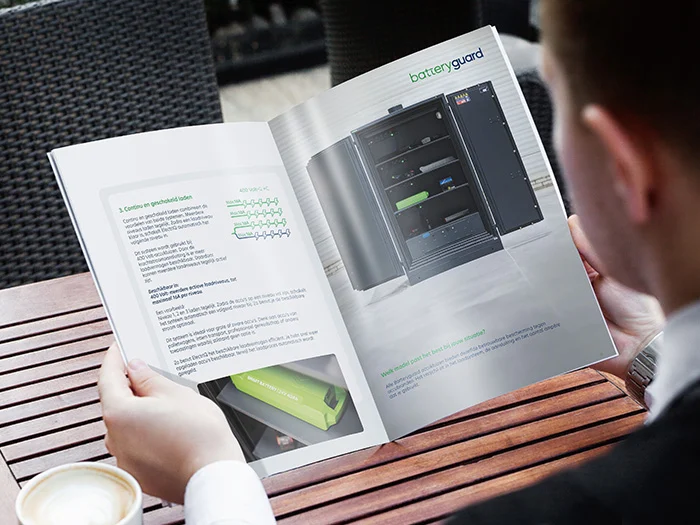
Safe charging of lithium-ion batteries: all in one brochure
Does your organisation work with lithium-ion batteries? For example, for e-bikes,...
Read more

29 September 2026
New generation of Batteryguard battery safes presented at Security Essen 2026
From 22 to 25 September, Security Essen took place, one of...
Read more

23 September 2026
Is an EN 14470-1 safety cabinet suitable for storing and charging lithium-ion?
Lithium-ion batteries are being used by more and more organisations, from...
Read more

13 July 2026
Batteryguard at Security Essen 2026: see the latest generation of battery safes
From 22 to 25 September 2026, Batteryguard will be at Security...
Read more
