
Published on 23 September 2026
Is an EN 14470-1 safety cabinet suitable for storing and charging lithium-ion?

Lithium-ion batteries are being used by more and more organisations, from power tools to e-bikes and drones. As their use increases, so does the focus on the safe storage and charging of batteries.
Many organisations use an EN 14470-1 safety cabinet for storing lithium-ion batteries. This may seem like a logical choice, as these cabinets are designed to reduce risks in the event of a fire. However, this standard protects against a different fire scenario from the situation that occurs when a lithium-ion battery catches fire inside the cabinet itself.
Fire resistance is not always enough
A lithium-ion battery can unexpectedly go into thermal runaway or explode due to a defect, damage or incorrect use. This generates extreme heat, flammable gases and pressure build-up. That is why it is important not only to consider the fire resistance of a cabinet, but above all to ask: has it been tested for a battery fire starting from within?
A thermal runaway can result in:
- Extremely high temperatures
- Flammable and harmful gases
- Pressure build-up inside the storage unit
- Smoke and heat that continue to develop
What is EN 14470-1 intended for?
An EN 14470-1 safety cabinet is often used for storing hazardous substances and lithium-ion batteries. The test assesses how the cabinet responds to an external fire. It does not test what happens if a lithium-ion battery catches fire inside the cabinet. This is precisely an important risk when storing and charging lithium-ion batteries.
If you are looking to purchase a battery safe, it is therefore important to check how it has been tested and, above all, whether it has been tested for a battery fire starting from within.
Why is VDMA 24994 important?
Batteryguard battery safes have achieved VDMA 24994 certification. The testing assesses how a battery safe responds when a lithium-ion battery fire starts inside the safe itself.
During this test, the following aspects are assessed, among others:
- Heat development
- Pressure build-up
- Gases released
- Containment of the fire inside the battery safe
The aim is to ensure that the battery safe is suited to the behaviour and risks associated with lithium-ion batteries. The difference between an EN 14470-1 cabinet and a VDMA 24994-tested battery safe is therefore as follows:
| EN 14470-1 cabinet | VDMA 24994 battery safe |
|---|---|
| A battery fire spreads outside the cabinet | A battery fire remains contained within the safe |
| Protection against external fires | Protection against fires inside the safe |
| The outside of the cabinet becomes hot | The outside of the safe remains cool |
| Designed for storing flammable liquids | Designed for lithium-ion batteries |
Choose a storage solution that matches the risk
Do you work with lithium-ion batteries? Then you want to keep your employees safe, protect your premises and ensure that your business can continue operating in the event of a battery fire.
That is why you should not only consider fire resistance. Also check whether the battery safe has been tested for a battery fire starting from within. This will help you make the right choice and improve safety within your organisation.
Is your organisation properly protected?
Take the free risk check or request advice with no obligation. This will help you discover which Batteryguard battery safe is best suited to your situation.
Curious about all the possibilities?
Our safes specialists will be happy to advise you on our Batteryguard battery cabinets.
Also interesting:
12 November 2026
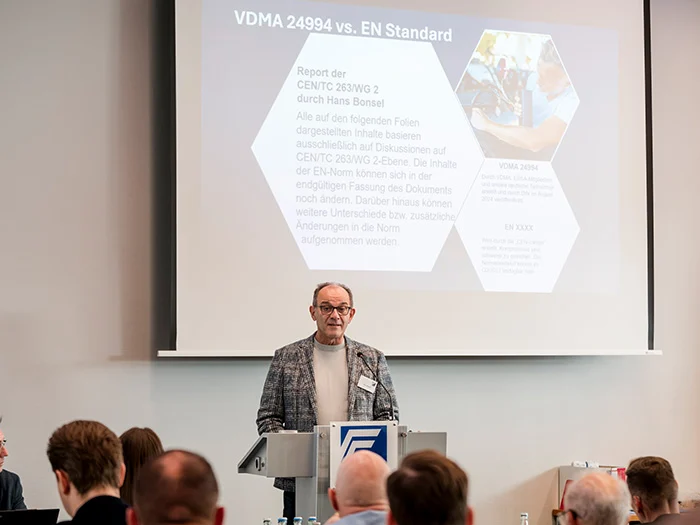
European standard for lithium-ion battery safes: the latest developments
How do you know if a battery safe offers sufficient protection...
Read more
13 October 2026
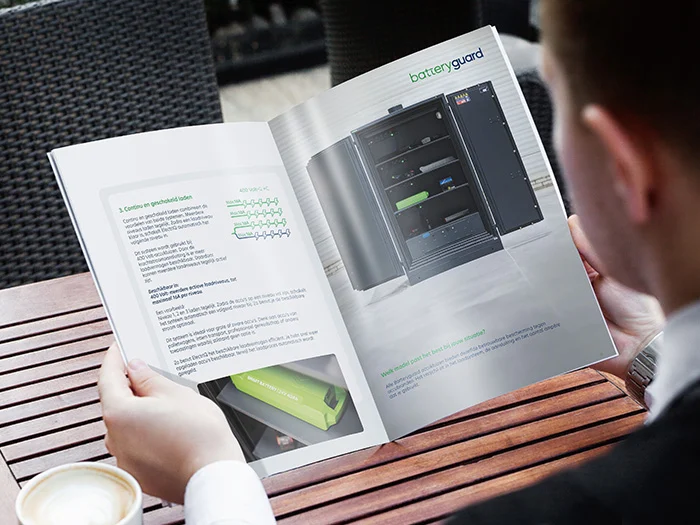
Safe charging of lithium-ion batteries: all in one brochure
Does your organisation work with lithium-ion batteries? For example, for e-bikes,...
Read more

29 September 2026
New generation of Batteryguard battery safes presented at Security Essen 2026
From 22 to 25 September, Security Essen took place, one of...
Read more

13 July 2026
Batteryguard at Security Essen 2026: see the latest generation of battery safes
From 22 to 25 September 2026, Batteryguard will be at Security...
Read more
